Blooming Strong: The Ultimate Guide to Best Glue for Giant Flowers

Blooming Strong: The Ultimate Guide to the Best Glue for Your Giant Flowers
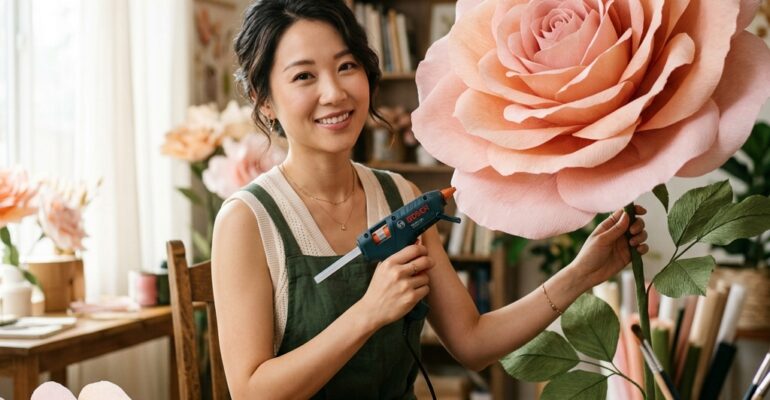
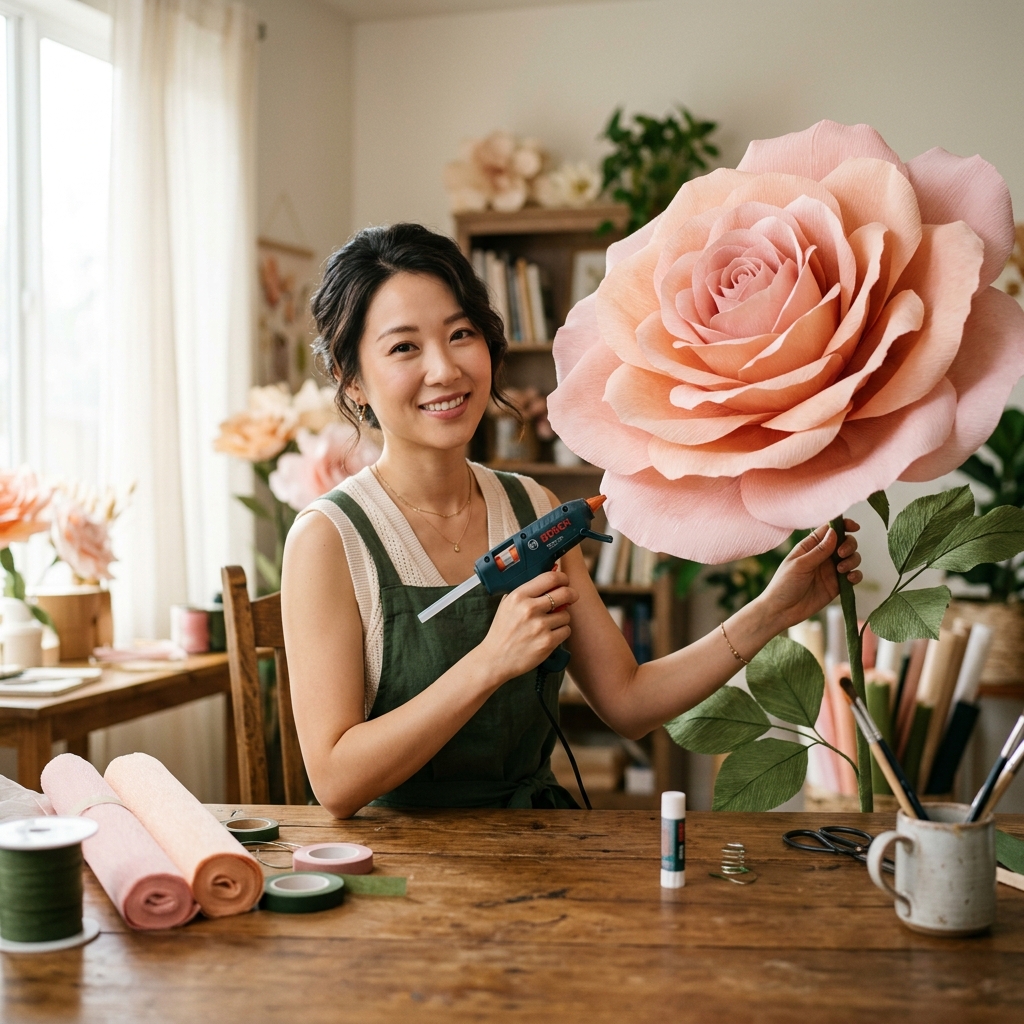
Giant flowers captivate audiences, transform spaces, and add a touch of whimsical grandeur to any event or display. Whether crafted from delicate paper, resilient EVA foam, shimmering fabric, or even sturdy plastic, these magnificent creations demand not only artistic skill but also a robust foundation. And at the heart of that foundation lies one crucial element: the right adhesive. Choosing the best glue for giant flowers isn’t just about sticking pieces together; it’s about ensuring your colossal blooms withstand the test of time, gravity, and admiration.
As experts in the realm of giant floral artistry, we understand the frustration of a petal drooping or a leaf detaching. A well-chosen glue provides structural integrity, longevity, and a seamless finish, allowing your giant flowers to truly flourish. This comprehensive guide will delve into the world of adhesives, helping you navigate the options and select the perfect glue for your specific giant flower project.
Understanding Your Giant Flower Materials & Their Adhesive Needs
Before you even think about grabbing a glue gun, consider the materials you’re working with. Different substrates react uniquely to various adhesives. Here’s a breakdown:
- EVA Foam: Lightweight and flexible, EVA foam requires an adhesive that offers a strong, flexible bond. Glues that cure rigidly can crack or tear the foam over time.
- Paper/Cardstock: Porous and absorbent, paper needs glues that dry clear, don’t warp the material, and provide a quick, firm hold without causing excessive wetness.
- Fabric: Often porous and sometimes stretchy, fabric necessitates glues that penetrate the fibers, remain flexible, and ideally resist fraying or stiffening the material too much.
- Plastic/Acrylic (for stems, bases, or structural elements): These non-porous, smooth surfaces demand glues specifically formulated for plastics, often requiring stronger, more specialized bonds.
- Wood/Metal (for bases or stands): For heavy-duty structural components, you’ll need industrial-strength adhesives capable of bonding wood or metal securely to your flower materials.
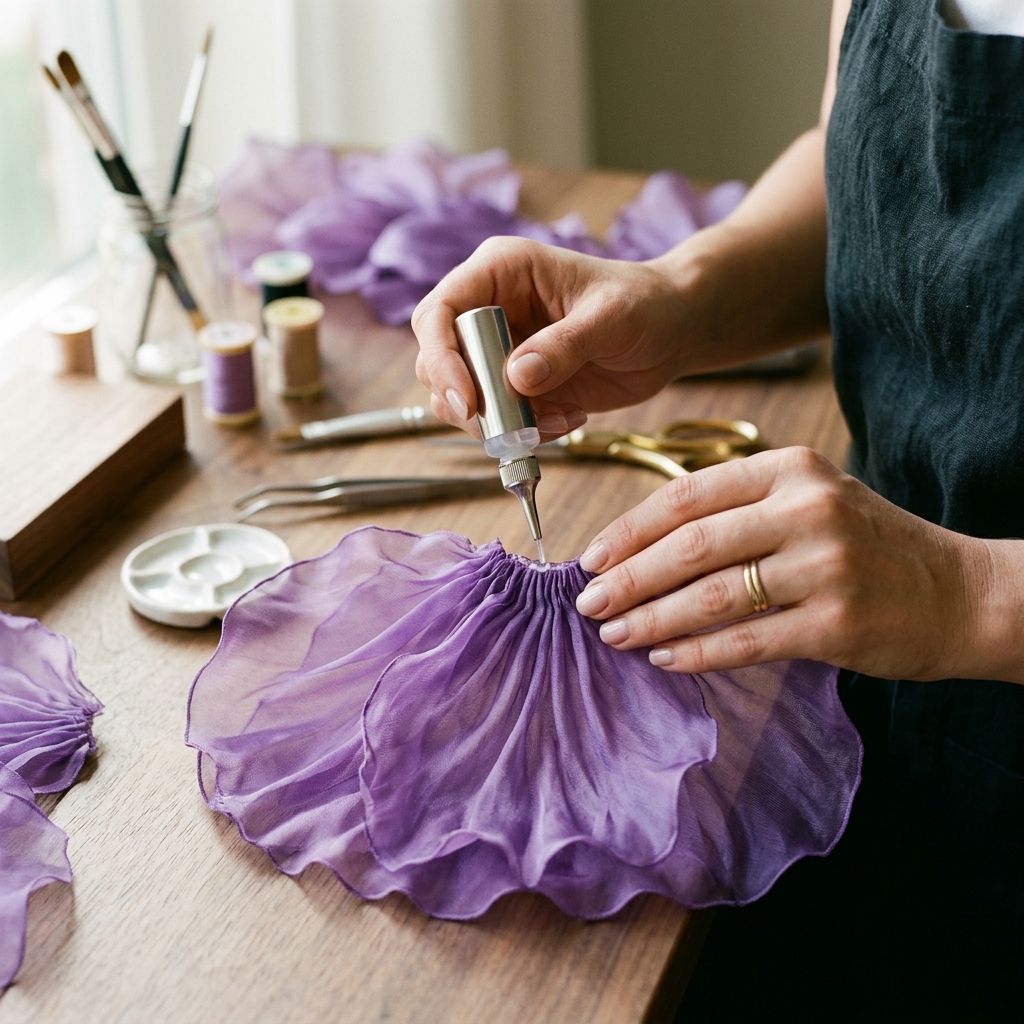
Top Contenders: Best Glues for Giant Flowers
Let’s explore the leading adhesives frequently employed by professional giant flower makers:
1. Hot Glue (High-Temperature)
Pros: Fast-drying, affordable, excellent for quick assembly and tacking pieces in place. It works well on EVA foam, paper, and light fabrics, providing an immediate bond. High-temp options offer a stronger hold than low-temp.
Cons: Can leave visible strings, not always the strongest long-term bond, becomes brittle in cold temperatures, and can melt or soften in high heat. Not ideal for structural elements or outdoor use.
2. E6000 Craft Adhesive
Pros: This industrial-strength adhesive is a favorite for a reason. It creates a powerful, flexible, and waterproof bond on almost any material, including EVA foam, fabric, plastic, wood, and metal. It’s fantastic for areas needing durability and weather resistance.
Cons: Has strong fumes, requiring good ventilation. It also has a longer curing time (up to 24-72 hours for full strength), and can be stringy or messy if not applied carefully.
3. Contact Cement/Adhesive
Pros: A go-to for large EVA foam projects. Applied to both surfaces and allowed to dry to a tacky finish before joining, it creates an incredibly strong, permanent, and flexible bond that won’t separate. Ideal for securing large petals or structural foam pieces.
Cons: Very strong fumes, requires precise application as it’s not repositionable once surfaces touch. Messy if not handled carefully, and requires ample ventilation.
4. Cyanoacrylate (CA) Glues / Super Glues
Pros: Incredibly fast-acting and strong for small, precise applications. Excellent for quick fixes or bonding small embellishments to plastic or non-porous surfaces.
Cons: Bonds skin instantly, very brittle once cured (not flexible), not ideal for large surface areas or materials that flex. Can leave a white residue (blooming) on some materials.
5. Silicone Adhesives/Sealants
Pros: Offers excellent flexibility, waterproofing, and weather resistance, making it superb for outdoor giant flowers or connecting dissimilar materials. It’s a great choice for adhering sturdy bases to foam or plastic elements.
Cons: Slower curing time, can be messy to work with, and generally not paintable (or difficult to paint over). Has a distinct odor.
6. PVA / White Craft Glues (e.g., Tacky Glue)
Pros: Non-toxic, easy to clean up, and dries clear. Perfect for paper, cardstock, and some fabrics. Tacky glues offer a quick grab before fully drying.
Cons: Slower drying time, not waterproof, and generally not strong enough for heavy-duty structural elements or large EVA foam pieces. Can cause paper to warp if applied too heavily.
7. Spray Adhesives
Pros: Excellent for covering large, flat surfaces quickly, especially with paper or fabric. Provides an even coat and can be repositionable or permanent depending on the type.
Cons: Fumes, overspray can be an issue, and often lacks the structural strength needed for heavy elements. Best used for laminating thin materials.
Factors to Consider for Your Project
Making an informed choice goes beyond just knowing the glue types. Consider these project-specific factors:
- Material Compatibility: This is paramount. Always ensure the glue adheres well to BOTH materials you’re joining.
- Indoor vs. Outdoor Use: For outdoor giant flowers, weather resistance (waterproof, UV resistant) and temperature stability are critical. E6000 and silicone are strong contenders here.
- Drying & Curing Time: How quickly do you need to move to the next step? Fast-drying glues are great for production, but remember full strength often comes after a longer curing period.
- Flexibility vs. Rigidity: If your flower parts need to flex or move, choose a flexible adhesive. If a stiff, unyielding bond is required, a more rigid glue might be appropriate.
- Strength & Durability: For permanent installations or rentals, maximum strength and longevity are key. For temporary displays, a less robust glue might suffice.
- Toxicity & Ventilation: Always work in a well-ventilated area, especially with stronger adhesives. Consider non-toxic options if working with children or in confined spaces.
- Application Method: Do you need precision (fine tip applicator) or broad coverage (brush-on, spray)?
Expert Tips for Flawless Adhesion
Even the best glue needs proper application to perform its magic:
- Surface Preparation is Key: Ensure all surfaces are clean, dry, and free of dust, oils, or any residues. A clean bond is a strong bond.
- Test, Test, Test: Always test your chosen adhesive on a small, inconspicuous scrap piece of your materials first. This allows you to check for compatibility, drying time, and finish.
- Ventilation: Work in a well-ventilated area, especially when using glues with strong fumes like E6000 or contact cement. Consider a respirator for prolonged exposure.
- Less is Often More: Applying too much glue can weaken the bond, extend drying time, and create messy overflow. Use just enough to cover the surfaces effectively.
- Clamp & Hold: For optimal adhesion, apply pressure or clamp glued pieces together while the glue sets. This ensures good contact between the surfaces.
- Respect Curing Times: Don’t rush the process! Allow the glue to fully cure as per manufacturer instructions before putting any stress on the joints. This is crucial for long-term durability.
- Clean Up As You Go: Wipe away excess glue immediately before it dries for a cleaner finish.
Conclusion
Crafting stunning giant flowers is an art form, and like any master artisan, your choice of tools – including your adhesive – significantly impacts the final masterpiece. From the instant grab of hot glue to the industrial might of E6000 or contact cement, each adhesive offers unique properties tailored to different materials and project needs. By carefully considering your materials, the environment your flowers will inhabit, and the desired longevity, you can confidently select the best glue for giant flowers that will ensure your colossal creations stand tall, proud, and perpetually beautiful. Armed with this knowledge, go forth and glue with confidence, letting your giant flowers bloom stronger than ever before!
Frequently Asked Questions About Giant Flower Glues
Q1: Can I use hot glue for all types of giant flower materials?
A1: Hot glue is excellent for quick assembly, especially with EVA foam and paper, due to its fast drying time. However, it’s generally not recommended for structural components, outdoor flowers, or materials that need a super strong, flexible, and long-lasting bond. For heavier elements or outdoor use, consider E6000 or contact cement.
Q2: What’s the best weather-resistant glue for outdoor giant flowers?
A2: For outdoor giant flowers, adhesives that offer waterproofing, flexibility, and UV resistance are crucial. E6000 Craft Adhesive and silicone-based sealants are highly recommended. They create durable bonds that can withstand varying temperatures and moisture, ensuring your flowers remain beautiful rain or shine.
Q3: How do I prevent glue from showing or making a mess on my giant flowers?
A3: To prevent visible glue, first, use a minimal amount of adhesive – just enough for a secure bond. Second, apply glue precisely and wipe away any immediate excess before it dries. For glues prone to stringing (like hot glue or E6000), a heat gun or hairdryer can carefully remove strings once dried. Practice on scrap materials to perfect your application technique.
Q4: Is there a non-toxic glue suitable for giant flowers, especially if children are involved?
A4: Yes, for projects involving children or where toxicity is a concern, PVA-based craft glues (like white school glue or Tacky Glue) are non-toxic and suitable for paper and some fabric giant flowers. While generally not as strong for structural components, they are safe and easy to clean up. Always check product labels for specific safety information.
📚 Related Giant Flower Guides
- Read Next: Learn more about Giant Foam Flowers Diy in our detailed guide on Crafting Giant Foam Flowers: Your Ultimate DIY Guide.
- Read Next: Learn more about Giant Paper Flower Templates Pdf in our detailed guide on Giant Paper Flower Templates PDF: Craft Stunning Blooms.