The Ultimate Guide to Making Weatherproof Flowers with EVA Foam


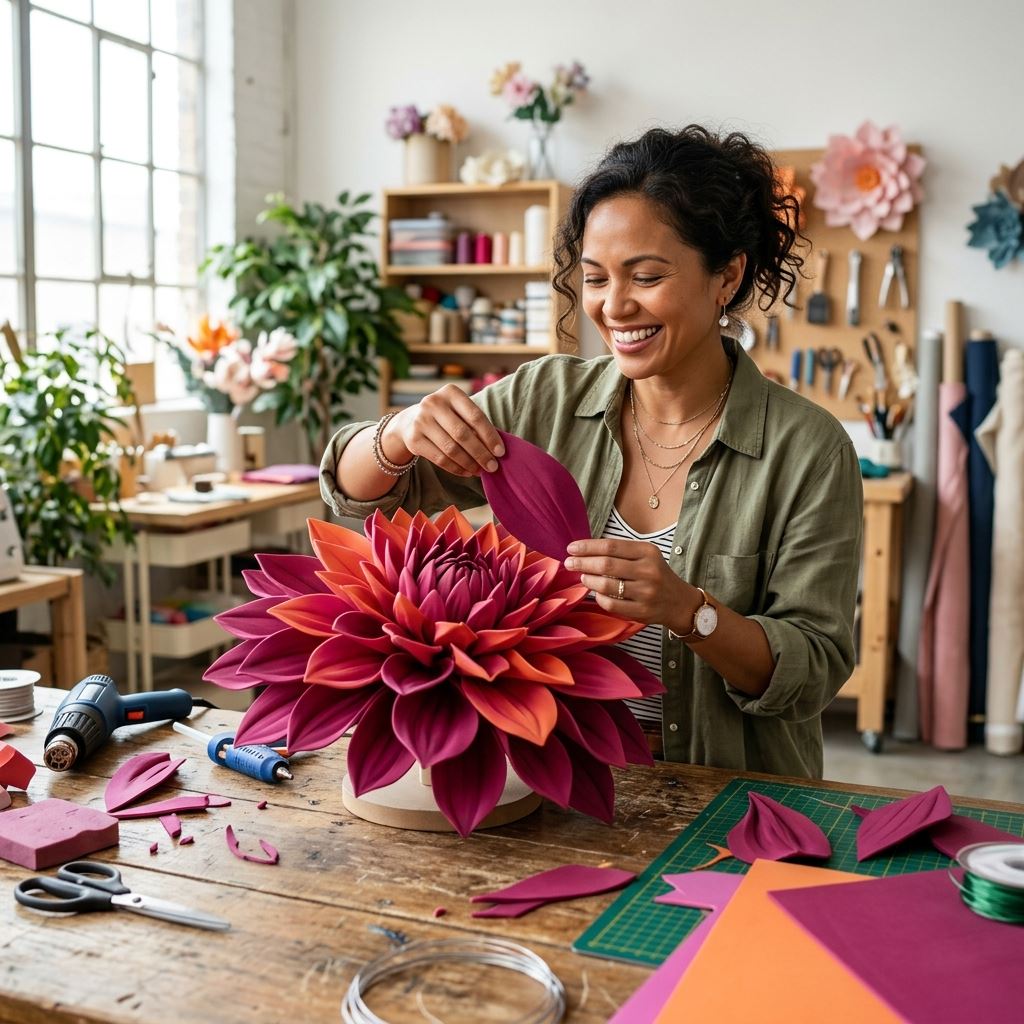
The Ultimate Guide to Making Weatherproof Flowers with EVA Foam
Have you ever spent weeks preparing a stunning floral display for an outdoor event, only to have a sudden rainstorm turn your paper masterpieces into a soggy, wilted mess? I have, and believe me, it’s a heartbreak no artist should have to endure. After that experience, I went on a mission to find a material that was as easy to work with as paper but as tough as nails.
The answer? EVA Foam.
If you’re serious about foam flower making, you are entering a whole new league of professional decorating. Foam is the “heavy-duty” cousin of paper. It’s vibrant, it’s thick, and most importantly, it’s completely waterproof. Today, I’m going to share everything I’ve learned about working with this incredible material so your flowers can survive anything mother nature throws at them.
1. What is EVA Foam and Why Use it?
EVA foam (ethylene-vinyl acetate) is a soft, flexible, closed-cell foam. You might recognize it from those interlocking floor mats or “fun foam” for kids, but the high-quality 1mm to 2mm foam used in foam flower making is a different beast entirely.
* 100% Waterproof: You could literally submerge these flowers in a pool and they would come out looking perfect.
* Sun Resistance: High-quality foam is much more resistant to UV fading than cardstock or crepe paper.
* The “Bounce” Factor: If someone bumps into a foam flower at a busy party, it doesn’t crease—it just bounces back. This makes them the ultimate choice for photo booths and high-traffic areas.
2. The Magic Tool: Heat
The biggest difference between paper and foam flower making is that you don’t “curl” foam—bạn *uốn* nó (you heat it).
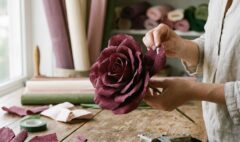
When you apply heat to EVA foam (using a heat gun or even a hair dryer), the cells of the foam soften. While it’s warm, you can stretch it, pleat it, and curve it. Once it cools (which takes about 5 seconds), it “locks” into that shape forever. This allows you to create deep, organic cups and ruffles that are impossible to achieve with flat cardstock.
—
Upgrade to Professional Grade with Giant Flowers Vietnam…
I know that “heating” and “sculpting” foam sounds a bit like an industrial project, but I promise it’s actually very relaxing! At Giant Flowers Vietnam, we’ve perfected the art of foam flower making for home crafters. Our specialized PDF templates are designed specifically for the thickness of foam, ensuring your petals overlap perfectly. The best part? Our templates are made for hand-cutting. Foam is a dream to cut with sharp scissors—it’s like cutting through butter. You don’t need a Cricut to become a foam artist; you just need our proven templates and a little bit of heat.
—
3. Essential Gear for Foam Flowers
If you want to start your foam journey, here is what you need in your kit:
* EVA Foam Sheets: I recommend 1mm for delicate flowers like lilies and 2mm for large roses.
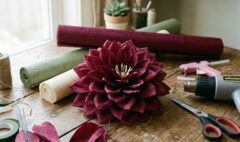
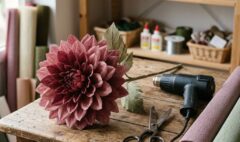
* A Heat Gun: A standard craft heat gun is best, but a powerful hair dryer can work for beginners.
* Super Glue (Cyanocrylate): Hot glue works for foam, but super glue creates a chemical bond that is nearly impossible to break.
* Oil Pastels: This is the secret to making foam look real. Rub a little pastel on the edges of your foam petals to give them a natural, soft blush.
4. Step-by-Step Shaping Technique
1. Cut: Use your foam flower making template to cut your petals.
2. Heat: Hold the petal about 3 inches from your heat gun for 3-5 seconds. You’ll feel the foam go limp—that’s when it’s ready.
3. Stretch: Gently pull the center of the petal with your thumbs to create a “bowl” shape.
4. Detail: Quickly roll the edges with your fingers before it cools to create a realistic, ruffled look.
5. Installation Tips for Outdoor Events
When installing foam flowers outdoors, remember that they are light but catch the wind like sails. Because they are waterproof, you can use stronger mounting methods. I often use zip-ties or heavy-duty outdoor mounting tape to secure foam flowers to a metal arch or wooden fence. You can rest easy knowing that even if it pours, your “garden” will still be blooming brilliantly.
📚 Related Giant Flower Guides
- Read Next: Learn more about Led Giant Foam Flowers in our detailed guide on Incorporating LED Lights into Giant Foam Flowers.
- Read Next: Learn more about Giant Organza Flowers in our detailed guide on Why Giant Organza Flowers Are the Hottest Trend for 2024 Weddings.
Summary
Foam flower making is the ultimate “level up” for any craft artist. It takes your work from being a “decoration” to being a “durable art installation.” It’s the material of choice for pros who want their work to last for years, not just hours.
Frequently Asked Questions (FAQ)
1. Is EVA foam safe to use with standard hot glue guns?
Yes, you can use hot glue with EVA foam, but you must use a high-temperature glue gun. Low-temp glue will often peel right off the smooth surface of the foam once it dries. For the most permanent bond, especially for outdoor installations, industrial cyanoacrylate (super glue) or specialized foam contact cement is highly recommended over hot glue.
2. Does heating EVA foam release toxic fumes?
When heating EVA foam gently with a standard heat gun or hair dryer to sculpt it, it generally does not release dangerous fumes, as you are only softening the material, not burning it. However, it is always best practice to work in a well-ventilated room. Never use an open flame to heat foam, as burning EVA will release harmful smoke.
3. Can I paint or dye EVA foam flowers to get custom colors?
Absolutely. While EVA foam comes in a wide variety of vibrant solid colors, you can customize them. Oil pastels are perfect for blending soft edges, while acrylic paints or specialized flexible sprays (like Plasti Dip or floral sprays) can be used for full coverage. Avoid stiff, heavy paints that might crack when the foam flexes.
4. How thick should EVA foam be for making giant flowers?
The ideal thickness depends on the specific flower design. For most giant roses or intricate blooms, 1mm to 2mm EVA foam is the sweet spot. It is thin enough to stretch and ruffle elegantly when heated, but thick enough to hold its shape and resist tearing. Anything thicker than 3mm becomes too rigid to sculpt into delicate petals.
Ready to build something that lasts? Check out our foam-specific templates at Giant Flowers Vietnam and start your weather-proof journey today!
[Link to Course/Template]