EVA Foam vs Cardstock Paper: Which is Best for Giant Flowers?
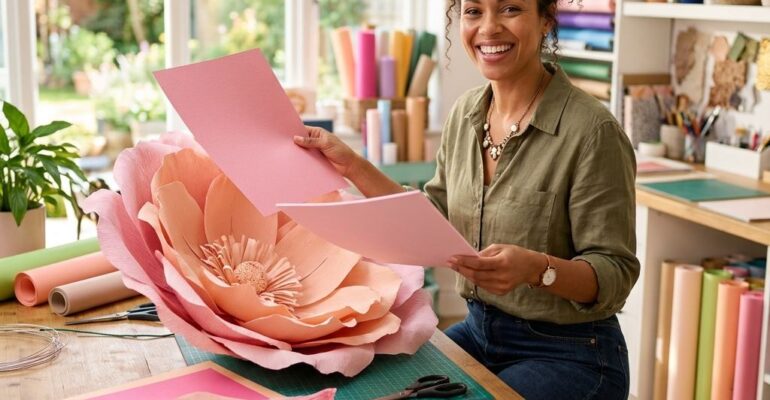

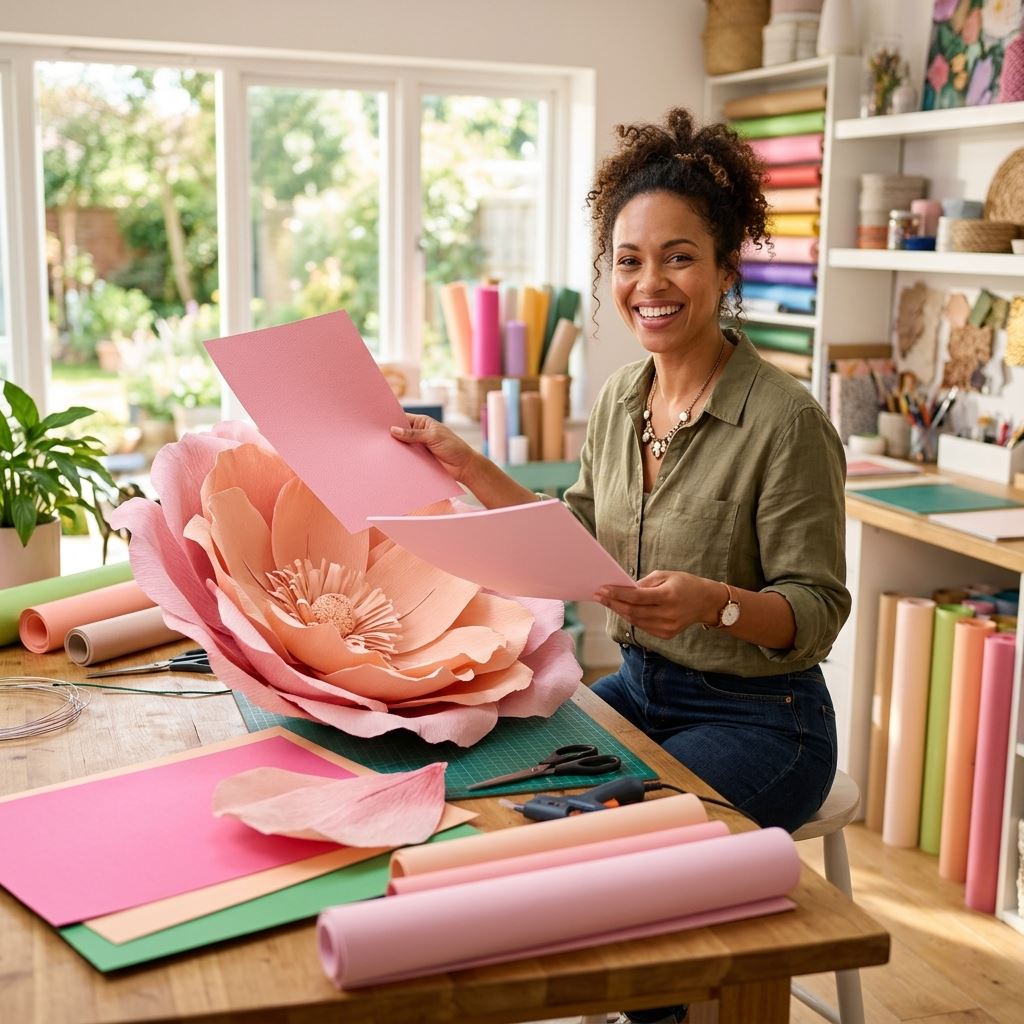
EVA Foam vs Cardstock Paper: Which is Best for Giant Flowers?
Welcome back! As the giant flower industry continues to explode in popularity for weddings, window displays, and stage backdrops, crafters are branching out beyond traditional cardstock. The most popular challenger on the block? Foam.
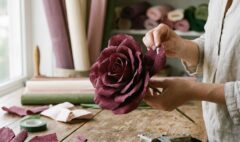
Specifically, crafting eva foam giant flowers has become a massive trend. But how do you know if you should use classic paper or modern foam for your next freestanding statement piece? Let’s break down the pros and cons!
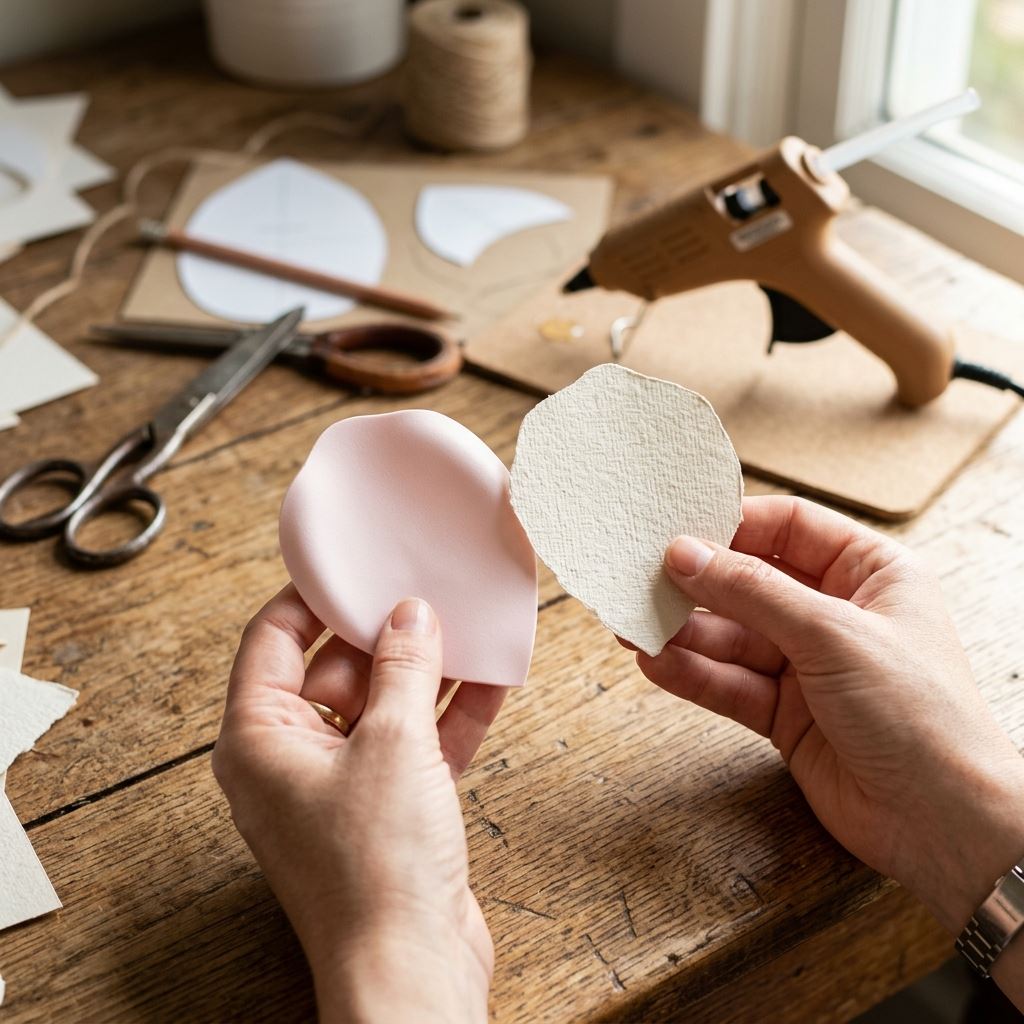
The Classic Elegance of Cardstock Paper
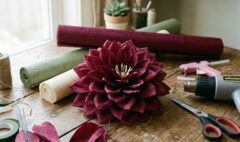
Heavy cardstock paper (like 200 GSM to 250 GSM) is the traditional starting point for almost every floral crafter.
The Pros of Paper:
* Accessibility: You can buy cardstock in hundreds of colors at any local craft store.
* Cost-Effective: Making a giant flower out of paper is generally cheaper per bloom than using specialized foam.
* Crisp Details: Paper allows for sharp, precise cuts and crisp folding lines, which is perfect for geometric or highly structured floral designs.
* No Fumes: Paper flowers are assembled entirely with hot glue and scissors, requiring no toxic chemicals or heat guns.
The Cons of Paper:
* Fragile: Paper can tear during transport.
* Water Enemy: The absolute biggest drawback is that paper flowers and rain do not mix. If you have an outdoor wedding and it starts to drizzle, cardstock will instantly warp and melt.
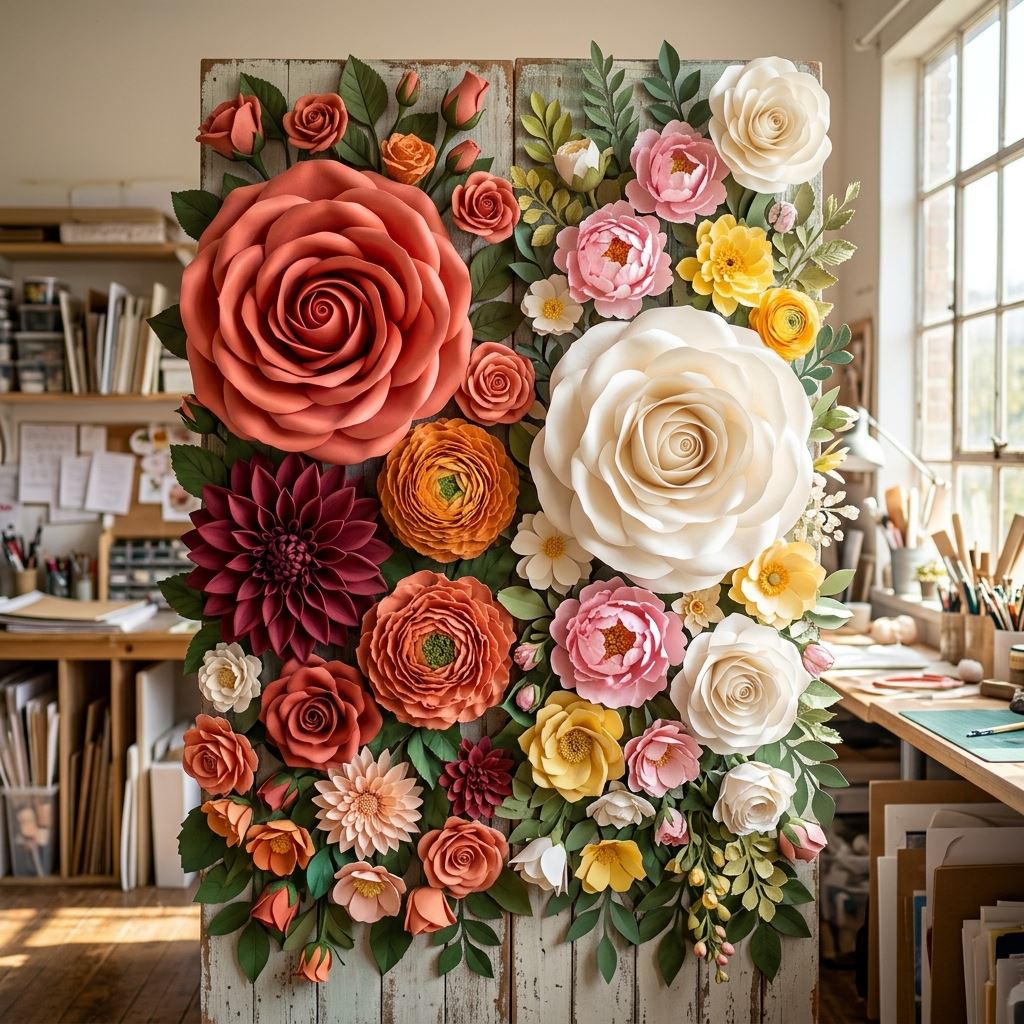
The Durable Power of EVA Foam Giant Flowers
EVA (Ethylene-vinyl acetate) foam is a highly flexible, durable material. For giant flower making, crafters typically use foam that is 1mm to 2mm thick.
The Pros of EVA Foam:
* Indestructible: Foam is incredibly resilient. You can toss a foam flower into the back of a van, crush it, and it will bounce right back into shape.
* Waterproof: Making eva foam giant flowers is mandatory if you are going to leave your installations outdoors for long periods or in unpredictable weather. They survive humidity and rain beautifully.
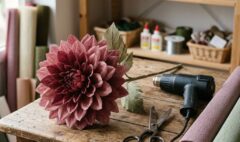
* Organic Shaping: By using a heat gun, you can melt and stretch EVA foam into incredibly realistic, wildly curved organic shapes that paper could never replicate.
The Cons of EVA Foam:
* Learning Curve: Working with foam requires specialized tools, particularly a heat gun, and understanding how to safely stretch hot material.
* Glue Challenges: Standard hot glue can sometimes fail on smooth foam surfaces. You often need industrial-strength contact cement, which requires working in a highly ventilated area due to strong fumes.
Which Should You Choose?
If you are creating elegant indoor backdrops, nursery wall art, or crafting heavily structured luxury roses on a budget, Cardstock Paper remains king.
If you are building outdoor commercial window displays, renting out your flowers for outdoor weddings, or creating highly realistic, bouncy, weather-proof blooms, EVA Foam is the ultimate investment.
Master Both Materials
Whether you want to stick with the classic beauty of paper or brave the heat gun to master EVA foam, the foundational petal shape is what matters the most.
To ensure your flowers look professional no matter what material you select, explore our exclusive [Online Video Courses & PDF Templates](https://giantflowersvietnam.com/courses). Our digital templates can be printed and traced onto either paper OR foam, giving you maximum versatility! Download yours today and start building the weatherproof backdrop of your dreams.
Frequently Asked Questions
Q: Can I use standard craft foam or does it have to be EVA foam?
A: You must specifically use EVA (Ethylene-vinyl acetate) foam if you intend to mold and shape it with heat. Standard craft foam found in children’s craft aisles is often made of polyurethane or heavily diluted foam blends that do not react well to heat. When hit with a heat gun, standard craft foam tends to shrivel, burn, or emit toxic fumes without actually becoming stretchable. High-quality EVA foam, typically between 1mm and 2mm thick, is chemically designed to withstand high temperatures, softening into a moldable, rubbery state that holds its new shape permanently once it cools down.
Q: Is it safe to use a heat gun on EVA foam indoors?
A: Safety is a major priority when crafting eva foam giant flowers. While EVA foam is generally considered non-toxic when cold, applying intense heat can release mild fumes. You should always work in a well-ventilated area, such as a garage with the door open or a room with multiple open windows and a fan. For prolonged crafting sessions, wearing a respirator mask rated for organic vapors is highly recommended. Additionally, always keep the heat gun moving to prevent scorching the foam, which not only ruins the petal but also produces unpleasant and potentially harmful smoke.
Q: How do I color or paint EVA foam giant flowers?
A: Unlike paper, which comes in hundreds of exact shades, finding the perfect color of EVA foam can sometimes be difficult. Fortunately, foam is highly paintable! The best method is to use soft pastels (pan pastels or chalk pastels) rubbed directly onto the foam while it is flat, blending the colors with a sponge to create a natural, gradient look. You can then seal the pastels with a clear matte spray. Alternatively, you can use an airbrush system with flexible acrylic paints. Do not use heavy coats of standard liquid acrylic paint or house paint, as these will dry into a rigid shell that will crack and flake off when the flexible foam bends.
Q: What is the best glue to use for EVA foam?
A: Standard high-temperature hot glue can work for small EVA foam projects, but for giant, structurally demanding flowers, it often fails because the glue cools too quickly and peels off the smooth, non-porous surface of the foam. For professional eva foam giant flowers, the industry standard is contact cement (such as Barge). You must apply a thin layer of contact cement to both surfaces, let it dry for 5-10 minutes until it is tacky but not wet, and then press the two pieces together. Once they touch, the bond is instant and virtually indestructible. If you prefer to avoid the strong fumes of contact cement, specialized heavy-duty cyanoacrylate (superglue) designed specifically for foam can also be an effective alternative.
📚 Related Giant Flower Guides
- Read Next: Learn more about Paper Weight For Giant Flowers in our detailed guide on The Ideal Paper Weight for Giant Freestanding Paper Roses.
- Read Next: Learn more about Curling Giant Paper Petals in our detailed guide on How to Curl Giant Paper Flower Petals Without Tearing.